How to Brush a Toddler’s Teeth: 10 Strategies

Updated: Sep 15
If bedtime has become a wrestling match over a tiny toothbrush, you're not alone. At Precious Smiles Pediatric Dentistry in Great Neck, Dr. Debbie regularly helps families throughout Manhasset, Roslyn, Port Washington, and Nassau County navigate one of the most common challenges of early childhood: getting toddlers to cooperate with tooth brushing.
The good news? Toddler tooth brushing resistance is completely normal, temporary, and, most importantly, solvable. This comprehensive guide provides evidence-based strategies that work for most children, backed by recommendations from the American Academy of Pediatric Dentistry (AAPD) and our years of experience working with families across Long Island.

Understanding Why Your Toddler Won't Let You Brush Their Teeth from a Nassau County Pediatric Dentist
Before diving into solutions, it's helpful to understand what's happening developmentally. Toddlers aren't trying to ruin your evening routine or make you late for daycare pickup. They're being normal toddlers who want control over their world, and saying "no" to brushing is one way they can flex that independence muscle.
Common Reasons for Brushing Resistance
Sensory Sensitivity
Toddlers may find the sensation of the toothbrush bristles or the taste of the toothpaste overwhelming, especially if they have sensory processing sensitivities. The texture, taste, temperature, and even the sound of brushing can feel like too much input at once.
Desire for Autonomy
Toddlers are exploring their world and asserting their autonomy, and brushing is no exception. Between ages 1-3, children are discovering that they're separate individuals from their parents, and saying "no" is a powerful way to express that independence.
Physical Discomfort
Sometimes resistance isn't about stubbornness at all. Your toddler might be experiencing:
Teething pain from new molars coming in
Sensitive gums that make brushing uncomfortable
Too much pressure from the toothbrush
A gag reflex triggered by the brush going too far back
Fear or Negative Associations
If brushing has become a battle, your child may have developed anxiety around the activity itself. Past experiences of feeling pressured, rushed, or uncomfortable can create negative associations that make cooperation even harder.
Simply Not Understanding Why It Matters
Toddlers live in the present moment. The concept of preventing cavities years from now doesn't compute when they're focused on playing or getting to bedtime stories.
At Precious Smiles Pediatric Dentistry, we take a holistic, child-centered approach that addresses the root causes of brushing resistance rather than just forcing compliance. Understanding your child's unique needs is the first step to creating a positive oral health routine.
Why Toddler Tooth Brushing Can't Wait
Despite the daily struggles, establishing good oral hygiene habits during the toddler years is essential. According to the AAPD, about 40% of children have cavities when they enter kindergarten, making early childhood tooth decay a significant health concern.
Baby teeth are far from disposable. They serve critical functions:
Enable proper nutrition through chewing
Support speech development as children learn to form sounds
Act as space holders for permanent teeth
Contribute to facial development and jaw alignment
Build confidence through healthy smiles
The American Academy of Pediatric Dentistry recommends that a child's first dental visit occur by age 1 or within six months of their first tooth erupting. These early visits help prevent cavities and guide parents in maintaining good oral hygiene routines. Learn more about what to expect during your child's first dental visit.
Children under 6 lack the motor skills for effective brushing alone, so parent involvement is essential. This means that despite resistance, parents need to find ways to help their toddlers brush effectively, ideally without tears on either side.
10 Proven Strategies to Get Your Toddler to Let You Brush Their Teeth
Strategy 1: Lead by Example and Brush Together
Toddlers love to mimic parents, so make brushing a family activity. Stand at the bathroom sink together, each with your own toothbrush, and make a big show of how wonderful brushing feels.
How to implement this:
Lay out your toddler's toothbrush next to yours as you get ready
Narrate what you're doing: "I'm brushing my top teeth in circles. Now I'm getting the back molars where food likes to hide!"
Make exaggerated happy faces and say "Ahhhh" to show how you open wide
Let your child practice brushing your teeth first (yes, really!)
Celebrate together when you're both finished: "We did it! Our teeth are so clean and strong!"
At Precious Smiles, we encourage families throughout Great Neck and Manhasset to make oral health a whole-family priority. When children see their parents prioritizing dental care, they're much more likely to view it as a normal, non-negotiable part of daily life.
Strategy 2: Give Them Choices (Within Boundaries)
The key is offering limited choices that all lead to the same result: clean teeth. This gives your toddler a sense of control without compromising the essential task.
Effective choices to offer:
"Do you want to brush your top teeth or bottom teeth first?"
"Should we use your blue toothbrush or your red one tonight?"
"Do you want to brush in the bathroom or in front of your bedroom mirror?"
"Should we count to 10 or sing the ABC song while we brush?"
"Would you like to stand on your stool or sit on the counter?"
What NOT to offer as a choice:
Whether or not to brush (brushing is non-negotiable)
Whether to use toothpaste (proper cleaning requires it)
Whether mom or dad brushes (they need proper technique, not self-brushing at this age)
This strategy works particularly well for strong-willed toddlers who are asserting their independence. By offering choices, you're honoring their developmental need for autonomy while maintaining healthy boundaries. Our holistic approach to pediatric dentistry recognizes that respecting children's emotional needs leads to better long-term cooperation.
Strategy 3: Turn Brushing Into an Exciting Game
Pretend the toothbrush is chasing away "sugar bugs" having a party in their mouth. Creativity transforms a chore into an adventure.
Game ideas that work:
Sugar Bug Safari: "Oh no! I see sugar bugs having a dance party on your molars! Let's tickle them away!"
Tooth Counting Adventure: Count each tooth as you brush it. "One, two, three... how many teeth do we have today?"
Food Detective: Call out each food that your little one ate that day as you brush. "Let's brush away those crackers from snack time... now the banana from breakfast!"
Silly Sound Effects: Make funny "vroom vroom" noises like the toothbrush is a race car driving around their mouth
Animal Teeth Time: Pretend to be different animals. "Can you roar like a lion so I can see all your teeth?"
Mirror Magic: Let them watch in a mirror and make silly faces while you brush
At Precious Smiles Pediatric Dentistry, we use playful techniques during dental visits to create positive associations with oral care. The same approach works beautifully at home.
Strategy 4: Use Technology and Timers to Your Advantage
Apps with 2-minute brushing timers featuring cartoon characters are highly effective for this age group. Modern tools can make brushing more engaging and ensure adequate brushing time.
Tech tools that help:
Brushing apps: Disney Magic Timer, Brush DJ, or Pokémon Smile turn brushing into an interactive game
Musical toothbrushes: Battery-powered brushes that play music for two minutes
Video timers: YouTube has countless 2-minute brushing songs featuring favorite characters
Smart toothbrushes: Some age-appropriate electric toothbrushes have built-in timers and lights
Low-tech alternatives:
An hourglass sand timer
Singing their favorite song or introducing a new one to sing together while brushing
A kitchen timer with a fun alarm sound
The goal is to establish that brushing continues for the full two minutes, not until your toddler decides they're done. Timers remove you from the role of "bad guy" stopping the fun; instead, the timer is in charge.
Strategy 5: Create a Consistent, Predictable Routine
Brush your toddler's teeth at the same times every day. Once it becomes part of the plan, it can be easier to accept. Toddlers thrive on predictability and routine.
Building a brushing routine:
Same time, same place: Morning after breakfast, evening after dinner
Same sequence: Always follow the same steps (get toothbrush, apply toothpaste, brush, rinse, celebrate)
Bridge with other activities: "After we brush teeth, then we read stories"
Visual schedules: Create a picture chart showing the bedtime routine steps
Consistent language: Use the same phrases each time to signal what's happening
Consistency is particularly important for children with special needs. At Precious Smiles, Dr. Debbie works extensively with families in Roslyn, Port Washington, and throughout Nassau County to create sensory-friendly routines that support children with autism, sensory processing disorders, and developmental delays.
Strategy 6: Address Sensory Sensitivities with Gentle Alternatives
If your child has genuine sensory issues with brushing, pushing through the discomfort will only create more resistance. Instead, work with their sensory needs.
For taste sensitivity:
Try different toothpaste flavors: fruit, bubblegum, unflavored, or even chocolate
Start with just water on the brush if toothpaste is overwhelming
Use a rice-grain sized amount for under 3, pea-sized for ages 3-6
Consider training toothpastes designed to be more palatable for sensitive children
For texture sensitivity:
Use a piece of gauze to rub on teeth if a toothbrush is too much
Try different bristle softness levels (extra-soft, silicone nubs, finger brushes)
Let them choose between manual and electric (some kids prefer the vibration, others find it overwhelming)
Keep the brush on the teeth longer rather than using more pressure
For positioning:
Stand behind your child during brushing to provide a sense of security
Try different positions: standing, sitting on your lap facing away, lying down
Brush in front of a mirror to reduce sensory-related challenges
For overall overwhelm:
Start with just 30 seconds and gradually increase duration
Focus on getting the brush in their mouth at all before worrying about perfect technique
Use deep pressure input before brushing (tight hug, heavy blanket) to help regulate their nervous system
Our minimally invasive approach extends to how we teach brushing techniques. We believe in working with children's natural sensitivities rather than against them.
Strategy 7: Distraction Through Engagement
Keeping little hands busy will help with just about any task, so give your toddler something to hold. When their hands and mind are occupied, they're less likely to push you away.
Distraction strategies:
Give them their own toothbrush to hold (or to "brush" a stuffed animal)
Let them hold a special toy that only comes out during tooth brushing time
Hand them a small mirror so they can watch what's happening
Give them a washcloth to hold or a cup to practice spitting
Let them play with a water timer or fidget toy
Have them hold a picture of a tooth or smile while you brush
Engagement through participation:
Give them the toothbrush and guide them through proper brushing first, then you finish
Let them "help" by holding the toothpaste or wetting the brush
Have them count teeth or body parts while you brush
Ask them to show you their "dinosaur teeth" or "tiny teeth"
The key is keeping their mind engaged with something they enjoy while you accomplish the actual brushing. Over time, the positive association with these activities transfers to brushing itself.
Strategy 8: Use Positive Reinforcement and Rewards
While you shouldn't rely solely on rewards, your toddler might not protest tooth brushing so much if they know they'll get something in return. Positive reinforcement can help establish the habit until intrinsic motivation develops.
Immediate rewards:
Enthusiastic praise: "You did such a great job opening wide! Your teeth are so strong and clean!"
High-fives, special handshakes, or victory dances after successful brushing
Sticker charts where they earn a sticker for each successful brushing session
"Tooth tickets" that can be traded for special privileges
Longer-term incentive systems:
Set a rule that if they let you brush their teeth for one full week, you'll take them to their favorite park
Earning a new toothbrush with their favorite character after a month of cooperation
A special outing or small toy after filling a sticker chart
What NOT to use as rewards:
Sugary treats or candy (counterproductive to dental health)
Skipping brushing as a reward for good behavior
Bribes offered in the moment of resistance (this teaches them to hold out for better offers)
Be sure to praise your child for their good brushing habits. On visits to the dentist, have your dentist encourage your child as well. At Precious Smiles, Dr. Debbie makes it a point to celebrate children's brushing efforts, reinforcing the positive habits families are building at home.
Strategy 9: Adjust Your Technique for Comfort
Sometimes resistance isn't about behavior at all—it's about discomfort. Parents sometimes use too much pressure because they think they need to scrub, when really soft circular motions work better and feel more comfortable.
Proper brushing technique for toddlers:
Use gentle circular or back-and-forth motions, not scrubbing
Angle the brush toward the gum line at 45 degrees
Brush each surface: outer, inner, and chewing surfaces
Don't forget the tongue (but save this for last if it triggers gagging)
Use only pea-sized toothpaste for ages 3-6, rice-grain sized for under 3
Never force the brush too far back if it causes gagging
Positioning that works:
Knee-to-knee with another adult for very young toddlers
Standing behind them at the sink, their head tilted back slightly
Sitting with them on your lap, their back against your chest
Lying down on the changing table or bed if standing is too overwhelming
Signs you might be brushing too hard:
Your child winces or pulls away
Their gums look red or irritated
The toothbrush bristles are splaying out after just a few uses
They complain of pain during or after brushing
At Precious Smiles Pediatric Dentistry, we teach parents proper brushing techniques during appointments and can demonstrate positions that work best for different age groups and temperaments.
Strategy 10: Stay Calm and Patient
Children can always pick up on the emotions of their parents. If they sense you're frustrated or even angry during tooth brushing, they won't cooperate. Your emotional state directly affects your child's willingness to cooperate.
Maintaining your composure:
Take deep breaths before starting the brushing routine
Remind yourself that this phase is temporary
Use a gentle, positive tone even when you don't feel patient
If you're at your wit's end, tag in another caregiver for the night
Remember that some brushing is better than no brushing
Reframing resistance:
This isn't personal or a reflection of your parenting
Resistance is a normal developmental stage
Your toddler is learning boundaries and self-regulation
Consistency now prevents bigger dental problems later
When to take a step back:
If every brushing session ends in tears (yours or theirs)
If your child is developing genuine fear or anxiety around brushing
If you suspect physical pain is the cause of resistance
If sensory issues are significantly impacting cooperation
Try to be patient with this process. Your toddler might not always be in the mood to brush their teeth, and that's okay. Progress, not perfection, is the goal.
What to Do If Nothing Seems to Work
If you've tried multiple strategies and your toddler's resistance continues or worsens, it's time to reach out for professional help. There may be underlying issues that need to be addressed.
When to Call Your Pediatric Dentist
Your child screams, cries, or becomes hysterical every time you try to brush
You suspect physical pain, sensitivity, or discomfort
Your child has gone several days without any tooth brushing
You've noticed signs of tooth decay (white spots, brown areas, visible holes)
Your child has special needs and standard strategies aren't working
You need guidance on proper technique or age-appropriate expectations
At Precious Smiles Pediatric Dentistry, Dr. Debbie specializes in helping families overcome brushing challenges. We can:
Examine your child's mouth for issues causing discomfort
Demonstrate effective brushing techniques tailored to your child
Provide sensory-friendly strategies for sensitive children
Offer professional guidance on age-appropriate expectations
Apply preventive treatments like fluoride varnish during the difficult phase
Connect you with resources for children with special needs
The Role of Professional Dental Visits
Regular dental visits serve multiple purposes beyond just cleaning teeth:
Reinforcement: The next time you take your toddler to the dentist, ask them to back you up on healthy brushing habits
Normalization: Children see that dental care is important and that other kids do it too
Early detection: We can identify and treat problems before they become painful
Professional guidance: We offer personalized strategies based on your child's unique situation
Positive modeling: Our team creates fun, positive dental experiences that transfer to home
The AAPD recommends checkups every six months for most children, though some may need more frequent visits based on their cavity risk and oral health needs.
AAPD Guidelines for Toddler Tooth Brushing
Following professional guidelines ensures you're providing optimal care for your toddler's developing teeth. Here's what the American Academy of Pediatric Dentistry recommends:
Toothpaste Amount by Age
Under 3 years: Use a tiny smear of fluoride toothpaste to brush baby teeth twice daily (rice-grain sized amount)
Ages 3-6: Increase to a pea-size dollop
All ages: Children should spit out excess toothpaste after brushing
Brushing Frequency and Duration
Brush twice daily: after breakfast and before bed
Brush for two full minutes each time
Perform or assist your child's toothbrushing, young children cannot effectively brush their own teeth
When to Start Flossing
Once a baby's teeth are touching, a parent should introduce flossing
Children typically need help flossing until age 8-10
Floss at least once daily, preferably before bedtime
Fluoride Recommendations
Use fluoride toothpaste from the very first tooth
Ask your pediatric dentist about your water's fluoride level
Professional fluoride varnish applications at dental visits
Fluoride supplements may be recommended if water is deficient
For more detailed information about age-appropriate dental care, visit our comprehensive guide on our website.
Conservative and Holistic Approaches to Early Childhood Oral Health
At Precious Smiles Pediatric Dentistry in Great Neck, we believe in a holistic, minimally invasive approach to children's dental care. This philosophy extends to how we teach and support home oral hygiene routines.
Our Holistic Philosophy
Prevention Over Intervention
We focus on establishing healthy habits early so invasive treatments are rarely needed. This includes teaching proper brushing technique, nutrition counseling, and regular preventive care.
Whole-Child Consideration
We recognize that dental health is connected to overall health, emotional wellbeing, and development. A child who's anxious about brushing may need different support than one who's simply asserting independence.
Conservative Treatment When Needed
When dental issues do arise, we always start with the most conservative, minimally invasive option.
Family Partnership
We work collaboratively with families, respecting parental preferences and cultural values while providing evidence-based guidance.
Special Needs Expertise
Dr. Debbie has extensive training in working with children with autism, sensory processing disorders, and developmental delays. We understand that special needs children may require adapted strategies, extended patience, and sensory accommodations.
Nutrition's Role in Dental Health
While proper brushing is essential, limiting the servings of sugars and starches will also aid in protecting your child's teeth from decay. Our holistic approach includes:
Education about foods that promote strong teeth
Guidance on limiting juice and sugary snacks
Strategies for healthy alternatives that kids actually enjoy
Understanding the role of baby bottle tooth decay
Special Considerations for Nassau County Families
Living in Great Neck, Manhasset, Roslyn, or Port Washington means you have access to excellent pediatric dental care that understands the unique needs of Long Island families.
Why Local Families Choose Precious Smiles
Convenient Location
Our Great Neck office is easily accessible from throughout Nassau County, making regular dental visits stress-free for busy families.
Community-Focused Care
We're part of your community, serving multiple generations of local families and understanding the specific needs of children growing up in this area.
Holistic, Conservative Approach
Unlike practices that may rush to invasive treatments, we prioritize prevention and the least invasive options, respecting both your child's comfort and your family's preferences.
Special Needs Expertise
We welcome all children, including those with autism, sensory processing disorders, anxiety, and developmental delays. Our office is designed to be sensory-friendly and our team is trained in accommodating diverse needs.
Personalized Attention
As a community practice, we get to know each family individually and tailor our approach to what works for your child.
Common Mistakes Parents Make (And How to Avoid Them)
Even with the best intentions, parents sometimes fall into patterns that make brushing harder. Here are common pitfalls to avoid:
Mistake 1: Giving Up Too Easily
Why it happens: Exhaustion, frustration, thinking "they're baby teeth anyway"
The fix: Remember that consistency now prevents painful dental problems later. Some brushing is always better than none.
Mistake 2: Making It a Power Struggle
Why it happens: Feeling like you need to "win" the battle
The fix: Reframe it as a collaborative activity, not a fight. Offer choices and make it fun rather than forceful.
Mistake 3: Only Brushing Once a Day
Why it happens: Picking your battles and choosing bedtime only
The fix: Morning brushing is less likely to be resisted. Start there and gradually add evening brushing.
Mistake 4: Letting Them Brush Alone Too Early
Why it happens: They want independence and you're tired of fighting
The fix: Remember that young children do not have the ability to brush their teeth effectively. Let them "brush" first, then you do the real cleaning.
Mistake 5: Using Force or Restraint
Why it happens: Desperation when nothing else works
The fix: While gentle positioning is necessary, forcing creates trauma and makes future cooperation even harder. Seek professional help if you're at this point.
Mistake 6: Inconsistent Routines
Why it happens: Life gets busy and routines fall apart
The fix: Treat brushing like any other non-negotiable daily activity (putting on a seatbelt, changing diapers). It always happens, at the same time, every day.
Mistake 7: Negative Talk About the Dentist
Why it happens: Using the dentist as a threat for bad behavior
The fix: Always speak positively about dental visits. Never use "The dentist will have to drill your teeth!" as a scare tactic.
Creating a Brushing-Positive Home Environment
Beyond specific strategies, creating an overall environment that supports oral health makes daily brushing easier.
Make Dental Care Visible and Normal
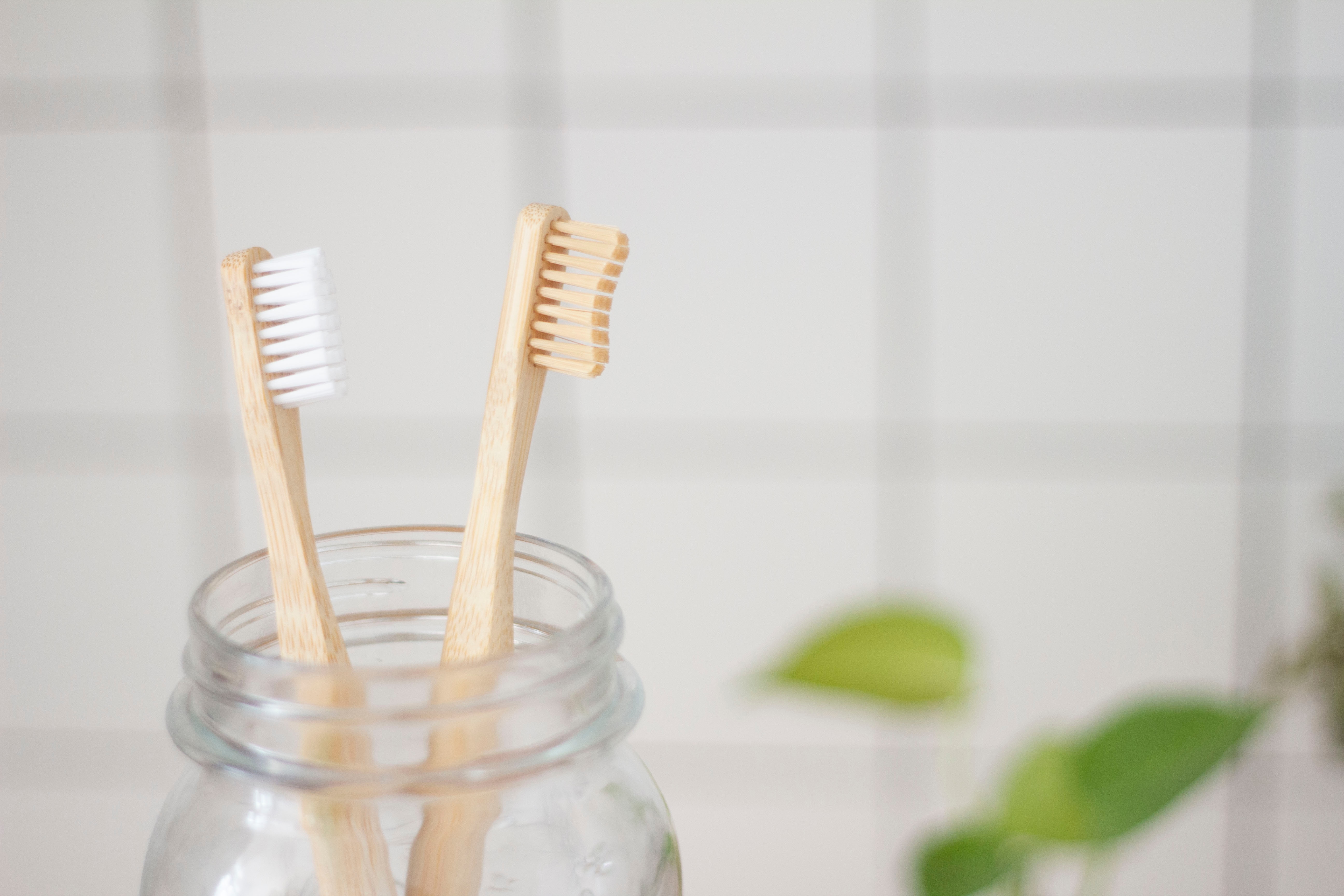
Keep toothbrushes displayed in a fun holder rather than hidden in a drawer
Read books about teeth and dental visits
Talk about your own dental appointments positively
Point out when characters in shows or books brush their teeth
Display your child's dental sticker chart prominently
Invest in Quality Tools
Multiple fun toothbrushes so they can choose
Age-appropriate toothpaste in flavors they like
A sturdy step stool for sink access
A timer or app specifically for tooth brushing
A mirror at their height so they can watch
Prepare for Challenging Times
Keep backup toothbrushes for travel
Have strategies ready for when you're running late
Practice brushing with stuffed animals during calm times
Take photos or videos of successful brushing to show them later
The Long Game: Building Lifelong Habits
Remember that the goal isn't just clean teeth today, it's building habits that last a lifetime. Most children outgrow this phase within a few weeks when parents stay consistent and patient.
What Success Looks Like
Your child accepts brushing without a major battle
They understand it's a non-negotiable part of daily routine
They eventually start to take pride in their clean, healthy teeth
They cooperate (or even look forward to) dental visits
They gradually take on more responsibility for their own oral care
Celebrating Progress
Acknowledge small wins: opening their mouth without being asked, choosing their toothbrush happily, not crying during brushing
Take photos or videos of milestone moments
Share successes with your pediatric dentist, we love celebrating with families!
Recognize that setbacks are normal (teething, illness, stress) and don't mean you've failed
Resources for Nassau County Parents
Recommended Reading
"Brush, Brush, Brush!" by Alicia Padron
"The Berenstain Bears Visit the Dentist" by Stan and Jan Berenstain
"Sesame Street Ready for the Dentist" by P.J. Shaw
"Peppa Pig: Dentist Trip" by Scholastic
Helpful Apps
Disney Magic Timer by Oral-B
Brush DJ
Pokémon Smile
Star Teeth
Local Support
Nassau County Department of Health dental programs
Early intervention services for children with special needs
Parent support groups through local libraries and community centers
Professional Organizations
American Academy of Pediatric Dentistry (AAPD) - Official guidance on children's oral health
American Dental Association (ADA) - General dental health information
Centers for Disease Control and Prevention - Oral health resources
Frequently Asked Questions About Toddler Tooth Brushing
Q: My toddler won't open their mouth. How can I brush their teeth?
A: Try brushing together in front of a mirror, singing songs that require opening wide (like "Open Shut Them"), or playing games where you take turns opening mouths. If gentle positioning is needed, place them on your lap or stand behind them. Never force, seek professional guidance if this continues.
Q: Is it okay to skip brushing occasionally when my toddler is having a really hard day?
A: While consistency is ideal, occasional misses won't cause immediate harm. On difficult days, do whatever you can, even wiping teeth with a washcloth or just swishing water is better than nothing.
Q: Should I use fluoride toothpaste for my toddler?
A: Yes. The AAPD recommends fluoride toothpaste from the first tooth, using a rice-grain sized amount for children under 3. The benefits of cavity prevention far outweigh the minimal risk when used correctly.
Q: My toddler keeps swallowing the toothpaste. Is this dangerous?
A: When using the recommended rice-grain or pea-sized amount, swallowing toothpaste occasionally is not dangerous. If they're deliberately eating toothpaste, switch to an unflavored variety or keep it out of reach between brushings.
Q: Can I use an electric toothbrush for my toddler?
A: Yes, age-appropriate electric toothbrushes can be effective and some children prefer them. Start with gentle vibration settings and let them get used to the sensation gradually.
Q: How do I know if I'm brushing hard enough?
A: You should use gentle pressure, about the weight you'd use to polish an apple. The goal is to disrupt plaque, not scrub it away. If the bristles are splaying or your child's gums look irritated, you're using too much pressure.
Q: My child has sensory issues and truly cannot tolerate brushing. What should I do?
A: Contact Precious Smiles for guidance. We specialize in special needs dentistry and can provide strategies like gradual desensitization, alternative cleaning methods, and professional fluoride applications to protect teeth during this phase.
Q: When can my child start brushing their own teeth without help?
A: Most children don't have the fine motor skills for effective independent brushing until around age 6-7, and still need supervision until age 8-10. Always check their work and do a final "parent brush" after they've practiced.
Contact Your Trusted Nassau County Pediatric Dentist
Struggling with toddler tooth brushing is one of the most common challenges parents face, and you don't have to navigate it alone. At Precious Smiles Pediatric Dentistry, Dr. Debbie and our entire team are here to support you with personalized strategies, professional guidance, and compassionate care for your child's unique needs.
Whether your toddler is resisting brushing, you need help with proper technique, or you're concerned about your child's oral health, we're here to help families throughout Great Neck, Manhasset, Roslyn, Port Washington, and all of Nassau County.
Why Choose Precious Smiles for Your Family
Holistic, Conservative Approach
We believe in prevention first and minimally invasive treatments when needed, preserving your child's natural teeth and reducing anxiety around dental care.
Special Needs Expertise
Dr. Debbie has extensive training in working with children with autism, sensory processing disorders, developmental delays, and other special needs. Our sensory-friendly environment and patient-centered approach make dental care accessible for all children.
Comprehensive Preventive Care
From first dental visits to fluoride treatments, dental sealants, and nutrition counseling, we provide complete care focused on keeping teeth healthy from the start.
Child-Centered Environment
Our office is designed to be fun, welcoming, and stress-free for young children, making dental visits something they actually look forward to.
Parent Education and Support
We partner with parents, providing the tools, techniques, and confidence you need to maintain excellent oral health at home.
Convenient Long Island Location
Serving families across Nassau County with easy access from Great Neck, Manhasset, Roslyn, Port Washington, and surrounding communities.
Schedule Your Appointment Today
If your baby is teething, has their first tooth, or you're struggling with toddler tooth brushing battles, it's time to schedule a visit with Dr. Debbie at Precious Smiles Pediatric Dentistry.
📍 Location: Great Neck, NY (conveniently serving Nassau County, Manhasset, Roslyn, Port Washington, and Long Island families)
📞 Call or Text: 516-330-0671
📸 Instagram: @precioussmilespd | @dr.debbiedds
🌐 Learn More: Visit the American Academy of Pediatric Dentistry (AAPD) for additional resources on children's oral health
Additional Resources on Our Website
Continue learning about pediatric dental care with these helpful resources:
References and Further Reading
American Academy of Pediatric Dentistry. (2020). Guideline on Infant Oral Health Care. Retrieved from https://www.aapd.org
American Academy of Pediatric Dentistry. (2021). The Reference Manual of Pediatric Dentistry. Chicago, IL: AAPD.
American Dental Association. (2024). Brushing Your Teeth. Retrieved from https://www.ada.org
American Academy of Pediatrics. (2023). Healthy Children: Oral Health. Retrieved from https://www.healthychildren.org
Centers for Disease Control and Prevention. (2019). Oral Health Surveillance Report: Trends in Dental Caries and Sealants. U.S. Department of Health and Human Services.
Precious Smiles Pediatric Dentistry proudly serves children and families throughout Nassau County, including Manhasset, Great Neck, Roslyn, Port Washington, and surrounding Long Island communities. Dr. Debbie's holistic, conservative approach to pediatric dentistry and specialized expertise in special needs dentistry makes us the trusted choice for families seeking compassionate, effective dental care for their children. Whether you're navigating toddler tooth brushing battles, preparing for your child's first dental visit, or need guidance on any aspect of pediatric oral health, we're here to support your family every step of the way.


Comments